
Quick Facts About Gallbladder Surgery
- Procedure Time: 45-60 minutes
- Hospital Stay: Same-day to 24 hours
- Recovery Period: 3-5 days for normal activities
- Success Rate: 95%+ with laparoscopic approach
- Anesthesia: General anesthesia
- Incisions: 3-4 tiny cuts (5-10mm each)
Schedule Consultation | Call: 9873O 18577 | Emergency Care Available
Introduction
If you’re experiencing sharp abdominal pain after meals, nausea, or bloating that won’t go away, you might be dealing with gallbladder stones. Gallstone disease affects thousands of people in North Bengal annually, and many patients only seek gallbladder surgery in Siliguri when symptoms become severe. This comprehensive guide explains everything you need to know about gallbladder disease, when surgery becomes necessary, how laparoscopic removal works, and what to expect during recovery.
Understanding Gallbladder Disease
The gallbladder is a small, pear-shaped organ located beneath your liver. It stores bile, a digestive fluid produced by the liver that helps break down fats during digestion. When the chemical balance of bile becomes disrupted, tiny crystals form and gradually develop into gallstones.
Gallbladder disease occurs when these stones block bile flow, cause inflammation, or prevent the organ from functioning properly. This can lead to acute cholecystitis, bile duct obstruction, digestive problems, and in severe cases, pancreatitis or infection.
Types of Gallstones
Understanding gallstone types helps predict complications and treatment outcomes:
Cholesterol Stones The most common variety, accounting for 80% of cases. These yellowish-green stones form when bile contains excessive cholesterol that crystallizes over time.
Pigment Stones Darker brown or black stones composed primarily of bilirubin. These typically develop in patients with liver cirrhosis, biliary tract infections, or hereditary blood disorders.
Mixed Stones Contain both cholesterol and pigment components, along with calcium salts. These stones often indicate chronic gallbladder inflammation.
Regardless of stone type, once symptoms begin, surgical removal becomes the recommended treatment to prevent serious complications.
Common Symptoms of Gallbladder Disease
Most patients begin searching for gallbladder treatment in Siliguri when they experience these warning signs:
Sharp Upper Right Abdominal Pain (Biliary Colic)
This hallmark symptom typically strikes suddenly after consuming heavy, oily, or spicy meals. The pain centers in the upper right abdomen, just below the ribcage, and can last from 30 minutes to several hours. Patients often describe it as cramping, stabbing, or pressure-like discomfort.
Radiating Back or Shoulder Pain
Gallstone pain frequently radiates to the right shoulder blade or upper back region. This referred pain pattern occurs because the gallbladder and shoulder share nerve pathways. Many patients find it difficult to lie down comfortably or sleep through the night when experiencing these episodes.
Nausea and Vomiting
Digestive upset commonly accompanies gallstone attacks. Patients may feel queasy after eating, especially fatty foods, and severe attacks often trigger vomiting that provides little relief.
Bloating and Digestive Discomfort
Chronic issues include persistent bloating, gas, indigestion, and a heavy feeling after meals. Many patients develop acidity problems and find their tolerance for previously enjoyed foods diminishing over time.
Jaundice (Yellowing of Skin or Eyes)
When gallstones block the common bile duct, bile backs up into the bloodstream, causing jaundice. This appears as yellowing of the skin and whites of eyes, often accompanied by dark urine and pale stools. Jaundice requires immediate medical attention.
Fever and Chills
These symptoms indicate acute cholecystitis or infection within the gallbladder. Fever above 100.4°F (38°C) combined with abdominal pain constitutes a medical emergency requiring urgent evaluation for gallbladder surgery in Siliguri.
Persistent Pain Lasting Several Hours
Unlike brief digestive discomfort, gallstone attacks persist for hours. If pain continues beyond six hours or steadily worsens, seek emergency care as this may indicate acute inflammation or complications.
How Gallbladder Problems Impact Daily Life
Gallbladder disease doesn’t always present dramatic symptoms initially. For many patients, quality of life erodes gradually through subtle but persistent disruptions:
Dietary Restrictions and Food Fear Patients develop anxiety around eating, avoiding entire food groups to prevent attacks. Social dining becomes stressful, and nutritional deficiencies may develop from overly restrictive eating patterns.
Sleep Disruption and Fatigue Gallstone pain frequently strikes at night, particularly after evening meals. Interrupted sleep leads to chronic fatigue, affecting mood, concentration, and overall wellbeing.
Reduced Work Productivity Unpredictable pain episodes force patients to miss work, leave meetings early, or operate below their capacity. The uncertainty of when the next attack will strike creates constant stress.
Emotional and Mental Health Impact Living with chronic pain and digestive issues takes an emotional toll. Many patients report anxiety, depression, and feeling isolated when others don’t understand their condition.
Limited Physical Activity Digestive discomfort and fear of triggering pain prevent patients from exercising, traveling, or participating in family activities they once enjoyed.
These cumulative effects significantly diminish quality of life, which is why timely gallbladder stone surgery in Siliguri becomes essential for restoration of normal living.
When Is Gallbladder Surgery Recommended?
Not all gallstones require immediate surgery. Some people have “silent stones” that cause no symptoms and can be monitored. However, surgery becomes necessary when symptoms recur or complications develop.
Medical Indications for Cholecystectomy
Repeated Gallstone Attacks (Symptomatic Cholelithiasis) If you experience two or more painful episodes, your gallbladder is not functioning properly. Recurring attacks will continue and likely worsen without surgical intervention.
Acute Cholecystitis Severe gallbladder inflammation accompanied by fever, persistent pain, and elevated white blood cell count requires urgent surgical treatment, typically within 72 hours of symptom onset.
Choledocholithiasis (Bile Duct Obstruction) Stones blocking the common bile duct cause jaundice, dark urine, pale stools, and risk of serious infection called ascending cholangitis. This condition demands immediate attention.
Gallstone Pancreatitis When stones block the pancreatic duct, they trigger acute pancreatitis, a medical emergency causing severe upper abdominal pain, vomiting, and potentially life-threatening complications.
Gallbladder Infection (Empyema) Pus accumulation within the gallbladder indicates severe infection requiring emergency surgery to prevent rupture and sepsis.
Biliary Dyskinesia Even without visible stones, a poorly functioning gallbladder confirmed by HIDA scan can cause chronic symptoms requiring surgical removal.
Large Gallstones (>2-3cm) Stones exceeding 2-3 centimeters carry higher risk of complications and malignancy, warranting prophylactic removal even without severe symptoms.
Gallbladder Polyps >10mm Larger polyps have malignant potential and should be removed through cholecystectomy.
Emergency Warning Signs
Seek immediate medical care if you experience:
- Severe abdominal pain lasting more than 6 hours
- High fever (>101°F or 38.3°C) with abdominal pain
- Yellowing of skin or eyes (jaundice)
- Confusion or altered mental state
- Severe vomiting preventing fluid intake
- Abdomen becomes rigid or extremely tender
Delaying treatment for these emergency conditions can result in gallbladder perforation, bile peritonitis, sepsis, or death.
“Early surgical intervention prevents 90% of gallstone-related complications and emergencies. Don’t wait for a crisis.” — General & Laparoscopic Surgery Guidelines
Diagnostic Process: How Doctors Confirm Gallbladder Disease
Before recommending surgery, physicians perform comprehensive diagnostic evaluation:
Ultrasound Scan (First-Line Imaging)
Abdominal ultrasound is the gold standard initial test, detecting gallstones with 95% accuracy. This painless procedure shows stone number, size, location, gallbladder wall thickness, and bile duct dilation. It’s safe, radiation-free, and takes only 15-20 minutes.
Liver Function Tests (LFT)
Blood tests measuring bilirubin, alkaline phosphatase, ALT, and AST levels identify bile duct obstruction or liver inflammation associated with gallstone complications.
Complete Blood Count (CBC)
Elevated white blood cells indicate infection or acute inflammation requiring urgent intervention.
HIDA Scan (Hepatobiliary Scintigraphy)
This nuclear medicine test evaluates gallbladder function by measuring bile ejection fraction. It’s particularly useful for diagnosing biliary dyskinesia when ultrasound shows no stones but symptoms persist.
MRCP (Magnetic Resonance Cholangiopancreatography)
Advanced imaging that visualizes bile ducts in detail, detecting stones within the common bile duct that ultrasound might miss. MRCP helps plan surgical approach for complex cases.
CT Scan (Selected Cases)
Used when complications like perforation, abscess, or pancreatitis are suspected, or when diagnosis remains unclear after other tests.
Endoscopic Ultrasound (EUS)
Combines endoscopy with ultrasound for detailed evaluation of bile ducts, pancreas, and small stones that other imaging modalities miss.
Thorough diagnosis ensures appropriate treatment planning and successful laparoscopic gallbladder removal in Siliguri.
Why Gallstones Form: Understanding Risk Factors
Gallstone formation isn’t solely caused by dietary habits. Multiple factors contribute:
Metabolic and Hormonal Factors
Cholesterol Supersaturation When liver produces bile with excessive cholesterol relative to bile salts and lecithin, crystals form and aggregate into stones over months to years.
Estrogen and Hormonal Changes Pregnancy, oral contraceptives, and hormone replacement therapy increase gallstone risk by raising cholesterol levels in bile and reducing gallbladder motility.
Rapid Weight Loss Crash diets, bariatric surgery, or significant weight loss (>3 pounds per week) disrupt bile chemistry and reduce gallbladder emptying frequency, promoting stone formation.
Genetic and Demographic Factors
Family History Genetic predisposition significantly increases risk. If parents or siblings have gallstones, your likelihood rises 2-3 times.
Ethnicity Native Americans and Mexican Americans have higher genetic susceptibility to cholesterol gallstones.
Age and Gender Risk increases after age 40. Women develop gallstones 2-3 times more frequently than men, primarily due to hormonal factors.
Lifestyle Factors
Obesity and Metabolic Syndrome Excess body weight increases cholesterol secretion in bile. However, maintaining stable weight is key—rapid weight fluctuation is more problematic than stable obesity.
Sedentary Lifestyle Physical inactivity reduces gallbladder emptying frequency and efficiency, allowing bile to stagnate and form stones.
Dietary Patterns High-calorie, high-fat diets with low fiber intake contribute to gallstone development. However, extremely low-fat diets can also be problematic by reducing gallbladder stimulation.
Medical Conditions
Diabetes Diabetic patients often have elevated triglycerides that increase pigment stone risk and experience diabetic neuropathy affecting gallbladder motility.
Liver Cirrhosis Chronic liver disease increases bilirubin production, leading to pigment stone formation.
Crohn’s Disease and Ileal Disorders Conditions affecting the terminal ileum disrupt bile salt reabsorption, altering bile composition.
Hemolytic Anemias Sickle cell disease and hereditary spherocytosis cause excessive red blood cell breakdown, generating excess bilirubin that forms pigment stones.
Understanding these risk factors helps patients make informed lifestyle choices even after gallbladder surgery in Siliguri to maintain optimal digestive health.
Laparoscopic Cholecystectomy: Modern Surgical Approach
Laparoscopic gallbladder removal has become the gold standard treatment for symptomatic gallstones. This minimally invasive surgical technique offers numerous advantages over traditional open surgery.
What Is Laparoscopic Surgery?
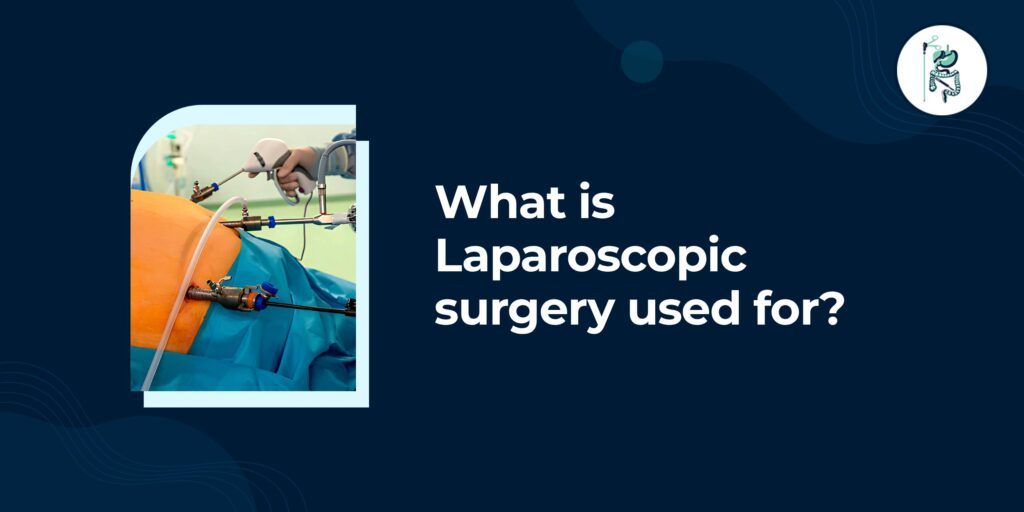
Laparoscopic cholecystectomy removes the gallbladder through 3-4 tiny incisions (5-10mm each) using specialized instruments and a high-definition camera. The surgeon views magnified images on a monitor, enabling precise dissection and removal with minimal tissue trauma.
Step-by-Step Procedure
Pre-Operative Preparation (30 minutes) You’ll receive general anesthesia for complete comfort. The surgical team positions you on the operating table and prepares the abdominal area with sterile solution.
Creating Access (10 minutes) The surgeon makes a small incision near your navel and inserts a thin tube (trocar). Carbon dioxide gas gently inflates your abdomen, creating working space and improving visualization.
Inserting the Laparoscope (5 minutes) A laparoscope (thin tube with high-definition camera and light source) enters through the umbilical port, transmitting magnified images to surgical monitors.
Additional Ports (5 minutes) Three more small incisions accommodate specialized instruments for grasping, dissecting, and cutting tissue.
Identifying Structures (10 minutes) The surgeon carefully identifies the cystic duct (connecting gallbladder to bile duct) and cystic artery (supplying blood to gallbladder). This critical step prevents injury to surrounding structures.
Securing and Dividing (10 minutes) Surgical clips seal the cystic duct and artery. The surgeon then cuts between clips, separating the gallbladder from the biliary system and its blood supply.
Dissecting the Gallbladder (15 minutes) Using electrocautery or ultrasonic energy, the surgeon carefully separates the gallbladder from the liver surface, controlling any small bleeding vessels.
Extraction (5 minutes) The gallbladder, containing all stones, is placed in a surgical bag and removed through the umbilical incision. Larger stones may be fragmented for easier extraction.
Final Inspection and Closure (10 minutes) The surgeon inspects the surgical area for bleeding or bile leakage, irrigates the space, removes instruments, releases gas, and closes incisions with absorbable sutures or surgical glue.
Total surgical time typically ranges from 45-75 minutes, though complex cases may require longer.
Intraoperative Cholangiography
In selected cases, the surgeon injects contrast dye into the bile duct and takes X-ray images to ensure no stones remain in the common bile duct before completing the procedure.
Benefits of Laparoscopic Approach vs. Open Surgery
Modern laparoscopic technique offers compelling advantages that have made it the preferred method for gallbladder stone surgery in Siliguri and worldwide.
Minimal Pain and Discomfort
Small incisions cause significantly less tissue trauma than traditional 6-8 inch open surgery cuts. Most patients rate post-operative pain as 3-4 out of 10, easily managed with oral medications. Many patients require only over-the-counter pain relievers after the first 24 hours.
Rapid Recovery and Return to Activities
Timeline Comparison:
Laparoscopic Surgery:
- Walk within 6-8 hours
- Discharge in 24 hours or same-day
- Return to desk work in 3-5 days
- Resume all normal activities in 1-2 weeks
- Full recovery in 2-3 weeks
Open Surgery:
- Limited mobility for 2-3 days
- Hospital stay 3-5 days
- Return to work in 4-6 weeks
- Resume normal activities in 6-8 weeks
- Full recovery in 2-3 months
Short Hospital Stay
Most laparoscopic patients go home within 24 hours. Many centers now perform same-day discharge for uncomplicated cases, allowing you to recover in the comfort of your home.
Lower Infection Risk
Smaller incisions mean reduced exposure, decreased bacterial contamination risk, and faster wound healing. Surgical site infection rates are 5-10 times lower with laparoscopic versus open technique.
Minimal Scarring and Better Cosmesis
Tiny incisions heal with barely visible scars, often fading to thin white lines within months. This cosmetic advantage is particularly valued by younger patients and those concerned about appearance.
Superior Surgical Visualization
High-definition cameras provide 10-15x magnification with bright LED illumination, revealing anatomical details impossible to see with the naked eye during open surgery. This enhances safety and precision.
Reduced Bleeding
Laparoscopic instruments use electrocautery or ultrasonic energy that simultaneously cuts and seals blood vessels, minimizing blood loss. Average blood loss is less than 50ml compared to 100-300ml with open surgery.
Less Abdominal Adhesion Formation
Minimal tissue handling and reduced inflammation result in fewer adhesions (internal scar tissue). This decreases risk of future complications like bowel obstruction.
Faster Return to Work and Economic Benefits
Shorter recovery means less time away from work, reduced lost wages, and lower overall societal costs. Most patients save 3-4 weeks of disability time compared to open surgery.
These advantages explain why laparoscopic cholecystectomy has become the standard of care for gallbladder treatment in Siliguri and across India.
| Feature | Laparoscopic | Open Surgery |
| Incision Size | 5-10mm (4 cuts) | 10-15cm (1 cut) |
| Hospital Stay | 1 day | 3-5 days |
| Recovery Time | 1-2 weeks | 6-8 weeks |
| Pain Level | Mild | Moderate-Severe |
| Scarring | Minimal | Significant |
| Infection Risk | <1% | 5-10% |
| Return to Work | 3-5 days | 4-6 weeks |
Can Medications Dissolve Gallstones?
This is one of the most common questions patients ask before considering surgery. Understanding the limitations of medical therapy is important for making informed decisions.
Oral Dissolution Therapy
Ursodeoxycholic Acid (UDCA) This bile acid medication can slowly dissolve small (<5mm), pure cholesterol stones in patients with functioning gallbladders. However:
- Treatment requires 6-24 months
- Success rate is only 30-40%
- Works only for cholesterol stones (not pigment stones)
- Stones recur in 50% of patients within 5 years after stopping medication
- Not effective for large stones, calcified stones, or non-functioning gallbladders
Why Medical Therapy Usually Fails
Stone Composition Most gallstones contain mixed components. UDCA only affects cholesterol stones, making it ineffective for pigment or calcified stones that comprise 20-30% of cases.
Gallbladder Dysfunction If your gallbladder isn’t contracting properly (the usual reason for stone formation), medication cannot restore function. The underlying problem persists even if some stones shrink.
Incomplete Resolution Even when stones partially dissolve, fragments and sludge remain. These quickly re-aggregate into new stones once medication stops.
Symptom Continuation Medications don’t provide immediate symptom relief. Patients continue experiencing pain, nausea, and digestive problems throughout the lengthy treatment period.
Extracorporeal Shock Wave Lithotripsy (ESWL)
Similar to kidney stone treatment, shock waves can fragment gallstones. However, this technique has been largely abandoned for gallstones because:
- Fragments must still pass through bile ducts (often causing obstruction)
- Very high recurrence rates (>50% within 2 years)
- Not effective for multiple stones or calcified stones
- Risk of pancreatitis from stone fragments
- Less effective and more expensive than surgery
The Bottom Line: Surgery Remains the Gold Standard
Medical societies worldwide, including the Society of American Gastrointestinal and Endoscopic Surgeons (SAGES) and Indian Association of Gastrointestinal Endo Surgeons, recommend laparoscopic cholecystectomy as first-line definitive treatment for symptomatic gallstones.
Why surgery is superior:
- ✓ Permanent cure with stone recurrence impossible after removal
- ✓ Immediate and complete symptom relief
- ✓ Prevents future complications like pancreatitis, infection, or perforation
- ✓ Cost-effective compared to years of medication
- ✓ Allows normal eating without dietary restrictions
- ✓ Recovery is quick with modern laparoscopic technique
Medical consensus: Once gallstones cause symptoms, laparoscopic gallbladder removal is the only effective, permanent solution. Medications may have a very limited role in highly selected patients who are poor surgical candidates.
Recovery After Laparoscopic Gallbladder Surgery
Understanding what to expect during recovery helps patients prepare mentally and physically for smooth healing.
Hospital Stay and Discharge
Day of Surgery After awakening from anesthesia in the recovery room, you’ll be monitored for 2-4 hours. Once you’re alert, drinking fluids, and have minimal pain, the surgical team assesses your readiness for discharge.
Same-Day vs. Overnight Stay Uncomplicated laparoscopic cases often qualify for same-day discharge, meaning you go home 6-8 hours post-surgery. Some surgeons prefer overnight observation, discharging patients the following morning after ensuring stable condition and good pain control.
Discharge Criteria:
- Vital signs stable
- Pain adequately controlled with oral medications
- Able to tolerate fluids and light foods
- No excessive nausea or vomiting
- Urinating normally
- Responsible adult available for transportation and home care
Pain Management
Immediate Post-Op (Days 1-2) Expect mild to moderate pain at incision sites and shoulder discomfort from residual carbon dioxide gas. Most patients rate pain as 4-6 out of 10 initially, improving rapidly.
Pain Medication Protocol:
- Prescription pain reliever (opioid) for first 24-48 hours if needed
- Transition to acetaminophen or ibuprofen by day 2-3
- Most patients need only over-the-counter medication after day 3
Shoulder Pain Phenomenon Many patients experience referred shoulder pain (typically right shoulder) from residual gas irritating the diaphragm. This improves with walking and typically resolves within 24-48 hours.
Activity Restrictions and Recommendations
First 24 Hours Rest primarily, but walk short distances (bathroom, around room) every 2-3 hours to prevent blood clots and promote gas absorption.
Days 2-7
- Walk 10-15 minutes several times daily
- Climb stairs slowly and carefully
- Avoid lifting anything heavier than 5-10 pounds (approximately a gallon of milk)
- No driving while taking prescription pain medications
- No swimming or bathing (showers are okay)
Weeks 2-4
- Gradually increase walking distance and duration
- Light household chores acceptable
- May drive once off narcotic pain medication and can perform emergency stop comfortably
- Avoid heavy lifting (>20 pounds) until cleared by surgeon
- Most patients return to non-strenuous work during this period
Week 4 and Beyond
- Resume all normal activities including exercise
- Heavy lifting and strenuous activity usually permitted after 4 weeks
- Athletes can typically return to competitive sports 4-6 weeks post-surgery
Dietary Guidelines After Surgery
Immediate Post-Op (Hours 1-6) Start with small sips of clear liquids like water, broth, or apple juice. Advance gradually to ensure tolerance.
First 24 Hours Light, bland diet including crackers, toast, rice, applesauce, and yogurt. Eat small, frequent meals rather than large portions.
Days 2-7 Gradually reintroduce regular foods. Many patients experience temporary digestive sensitivity, so introduce fatty or spicy foods slowly.
Dietary Recommendations:
- Eat smaller, more frequent meals initially
- Choose lean proteins, whole grains, fruits, and vegetables
- Limit high-fat foods temporarily (give your body time to adjust)
- Stay well-hydrated (8-10 glasses of water daily)
- Avoid alcohol for at least 1 week
Important Note: Unlike common belief, most people DO NOT require permanent dietary restrictions after gallbladder removal. Your liver continues producing bile that flows directly into the intestine. Within 2-4 weeks, most patients can eat normally without restrictions.
Incision Care
Daily Care:
- Keep incisions clean and dry
- Shower normally (water running over incisions is fine)
- Gently pat dry—no rubbing
- No swimming, bathing, or hot tubs for 1 week
- Wear loose, comfortable clothing that doesn’t irritate incision sites
What’s Normal:
- Small amounts of clear or pink drainage initially
- Slight redness around incisions
- Mild bruising (may appear yellowish-green as it fades)
- Small lumps under skin (resolving internal sutures)
When to Call Your Surgeon:
- Increasing redness, warmth, or swelling around incisions
- Pus or foul-smelling drainage
- Fever above 101°F (38.3°C)
- Incision opening or separation
Bowel Function
Constipation is common after surgery due to anesthesia, pain medications, and reduced activity. Prevent with:
- Adequate fluid intake
- High-fiber foods (fruits, vegetables, whole grains)
- Gentle walking
- Over-the-counter stool softener if needed
Diarrhea may occur in 10-15% of patients as the digestive system adjusts. This usually resolves within 2-4 weeks. If persistent, discuss with your surgeon.
Follow-Up Care
First Post-Op Visit (5-7 days) Your surgeon examines incisions, reviews pathology report from the removed gallbladder, addresses any concerns, and provides clearance for gradually increasing activities.
Additional Visits Scheduled only if complications arise or specific issues need monitoring.
Long-Term Follow-Up Most patients require no ongoing surgical follow-up after complete recovery. Annual physicals with your primary physician suffice.
Life After Gallbladder Removal: What to Expect Long-Term
One of the most common concerns patients express is whether they can live normally without a gallbladder. The reassuring answer is yes—most people experience no long-term limitations.
How Digestion Adapts Without a Gallbladder
The Bile Flow Change Normally, the gallbladder stores and concentrates bile, releasing it in response to fatty meals. After cholecystectomy, bile flows continuously from the liver directly into your small intestine in smaller amounts throughout the day.
Physiological Adaptation Within 2-4 weeks, your digestive system adapts to this continuous bile flow. The body develops alternative mechanisms for fat digestion, and most patients notice no difference in how they process food.
Bile Duct Dilation In some patients, the common bile duct gradually dilates slightly over time, effectively creating a small bile reservoir that partially compensates for the missing gallbladder.
Dietary Freedom and Long-Term Eating
Short-Term Adjustment (Weeks 1-4) Some patients experience temporary digestive sensitivity, particularly to very fatty or spicy foods. This adaptation period is normal and typically resolves quickly.
Long-Term Diet (Month 2 Onward) Research shows that 85-90% of patients return to eating all foods without restrictions by 6-8 weeks post-surgery. You can enjoy fried foods, desserts, spicy curries, and everything else you ate before—in moderation, as part of a balanced diet.
Small Subset with Persistent Changes Approximately 10-15% of patients experience post-cholecystectomy syndrome, characterized by:
- Occasional loose stools after very fatty meals
- Mild bloating or gas with certain foods
- Need to eat smaller, more frequent meals
These symptoms are usually mild and manageable with minor dietary adjustments. They rarely significantly impact quality of life.
Complete Symptom Resolution
What Improves:
- ✓ No more gallstone pain attacks
- ✓ No nausea after eating
- ✓ Relief from bloating and indigestion
- ✓ No dietary fear or restriction anxiety
- ✓ Improved sleep without nighttime attacks
- ✓ Return to normal work productivity
- ✓ Freedom to travel and dine out
- ✓ Enhanced overall quality of life
Patient Satisfaction Studies show 90-95% of patients report complete satisfaction with their decision to undergo gallbladder surgery, with significant improvement in quality of life scores.
Physical Activity and Exercise
No restrictions exist for physical activity after full recovery. You can:
- Exercise regularly at any intensity
- Lift weights and perform strength training
- Participate in competitive sports
- Practice yoga, pilates, or any fitness routine
- Travel anywhere without concerns
Nutritional Considerations
Vitamin Absorption Gallbladder removal does not significantly affect vitamin or nutrient absorption. Fat-soluble vitamins (A, D, E, K) are still adequately absorbed from food.
Healthy Eating Recommendations While no strict diet is required, maintaining general healthy eating habits benefits overall digestive health:
- Balanced meals with lean proteins, whole grains, fruits, vegetables
- Adequate fiber intake for regular bowel movements
- Staying well-hydrated
- Moderate fat intake (not elimination—your body needs dietary fat)
Special Situations
Pregnancy After Cholecystectomy Women can safely become pregnant and have normal pregnancies after gallbladder removal. The surgery does not affect fertility or pregnancy outcomes.
Weight Management Contrary to myth, gallbladder removal does not inherently cause weight gain or loss. Any weight changes typically relate to returning to normal eating patterns after avoiding food pre-surgery due to pain.
Alcohol Consumption Moderate alcohol consumption is safe after recovery. The gallbladder plays no role in alcohol metabolism, which occurs in the liver.
No Stone Recurrence
Once your gallbladder is removed, gallstones can never form again. You’re permanently cured of gallbladder disease. While rare bile duct stones can theoretically develop, this is uncommon and unrelated to the previous gallbladder stones.
Long-Term Health Outcomes
Life Expectancy Gallbladder removal does not affect life expectancy. In fact, by preventing serious complications like pancreatitis, infection, or perforation, the surgery may improve long-term health outcomes.
Cancer Risk Some studies initially suggested possible increased colon cancer risk after cholecystectomy, but comprehensive meta-analyses have found no significant association. Any theoretical risk, if present, is extremely small.
Quality of Life Studies Long-term follow-up studies consistently show that patients who undergo laparoscopic cholecystectomy